 0
0
 0
0
It’s tempting to slip into bed with damp hair — especially after a late shower or on warm summer nights when the cool moisture feels refreshing. But according to hygiene specialist Madame Sweat, this seemingly harmless habit can quietly damage your scalp, your pillow, and even your hair itself.
Below is a feature-style deep dive into what really happens when moisture meets mattress — and why a small change in your evening routine can make a big difference.
A Perfect Storm for Scalp Trouble
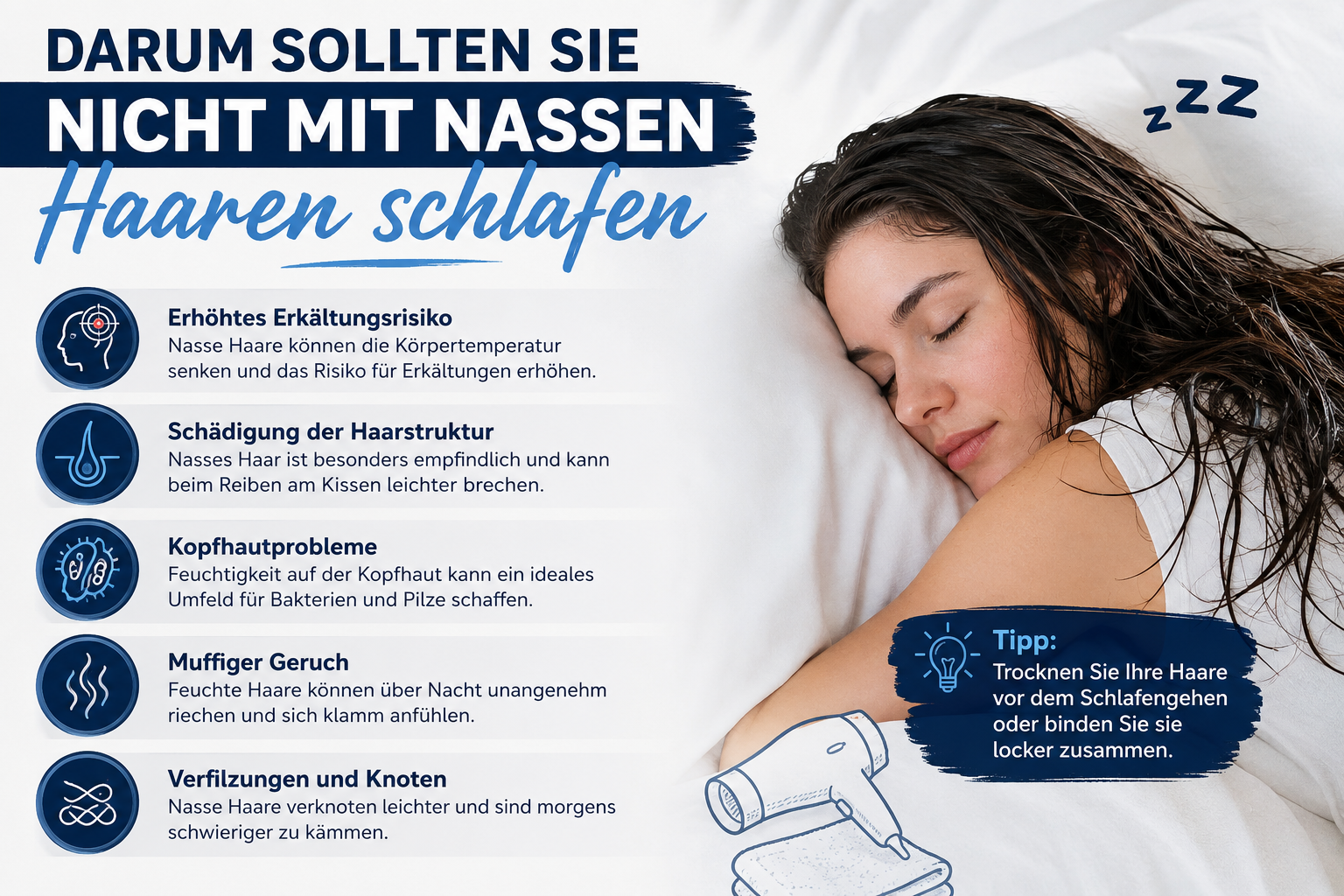
When your hair and scalp stay wet for hours, you create an ideal environment for unwanted bacteria and fungi. Madame Sweat explains that fungi thrive in moisture, and once they settle on the scalp, the consequences can range from mild irritation to serious dermatological issues.
- Fungal growth — Persistent dampness encourages microorganisms to multiply.
- Scalp irritation — Itching, redness, and flaking often follow.
- Hair loss patches — In severe cases, fungal infections can lead to bald spots requiring medical treatment.
Your Pillow Becomes a Hidden Risk
Even with a pillowcase, moisture seeps into the pillow’s inner layers. Over time, this turns your pillow into a breeding ground for mold and bacteria.
- Moisture absorption — Pillows trap humidity far more than most people realize.
- Mold development — Once mold takes hold, pillows begin to smell unpleasant and can trigger allergies.
- Hygiene concerns — Regular washing helps, but prevention is far more effective.
💇 Hair Damage While You Sleep
Wet hair is fragile hair. When strands are damp, their structure is weakened, making them far more vulnerable to friction and breakage.
As you toss and turn at night, the pillow’s surface rubs against your delicate strands. Madame Sweat warns that this can lead to:
- Hair breakage — Weak strands snap under pressure.
- Split ends — Moisture-softened hair fibers fray more quickly.
- Reduced effectiveness of hair products — Damage prevents conditioners and treatments from working properly.
How to Protect Your Hair Before Bed
The simplest and most effective solution is also the most obvious: make sure your hair is completely dry before you sleep.
A few practical steps:
- Air‑dry earlier — Shower earlier in the evening to give your hair time to dry naturally.
- Use gentle heat — If you blow‑dry, keep the heat moderate to avoid thermal damage.
- Switch to a microfiber towel — These absorb water faster and reduce friction.
- Choose a silk pillowcase — Even with dry hair, silk reduces breakage and frizz.
A small adjustment in your nightly routine can dramatically improve your sleep quality, scalp health, and hair strength.
- Hector Pascua/picture: chatgpt.com



This post has already been read 18347 times!